
I build production AI on LangChain — the framework the largest AI teams standardize on, with 100M+ monthly downloads. This is my primary foundation moving forward.
Start simple and go only as deep as your business needs: from a single document agent to a fully observed, evaluated, multi-agent system. You never pay for complexity you don't need.

Each layer builds on the one above it. Most engagements start at the top and stop exactly where the problem is solved. Below, I'll walk you through what each layer does, when you actually need it, and the use cases I recommend for your business.
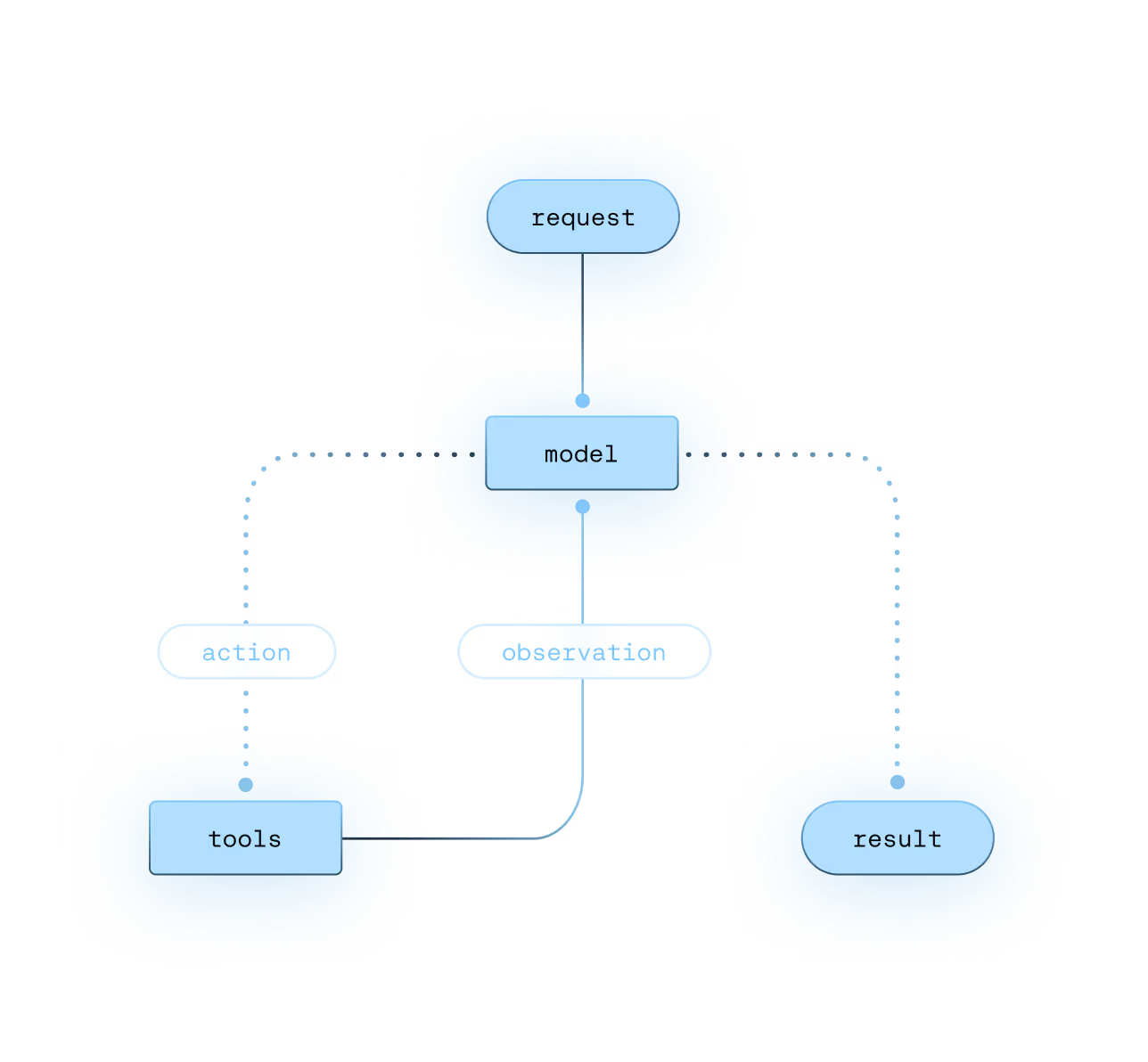
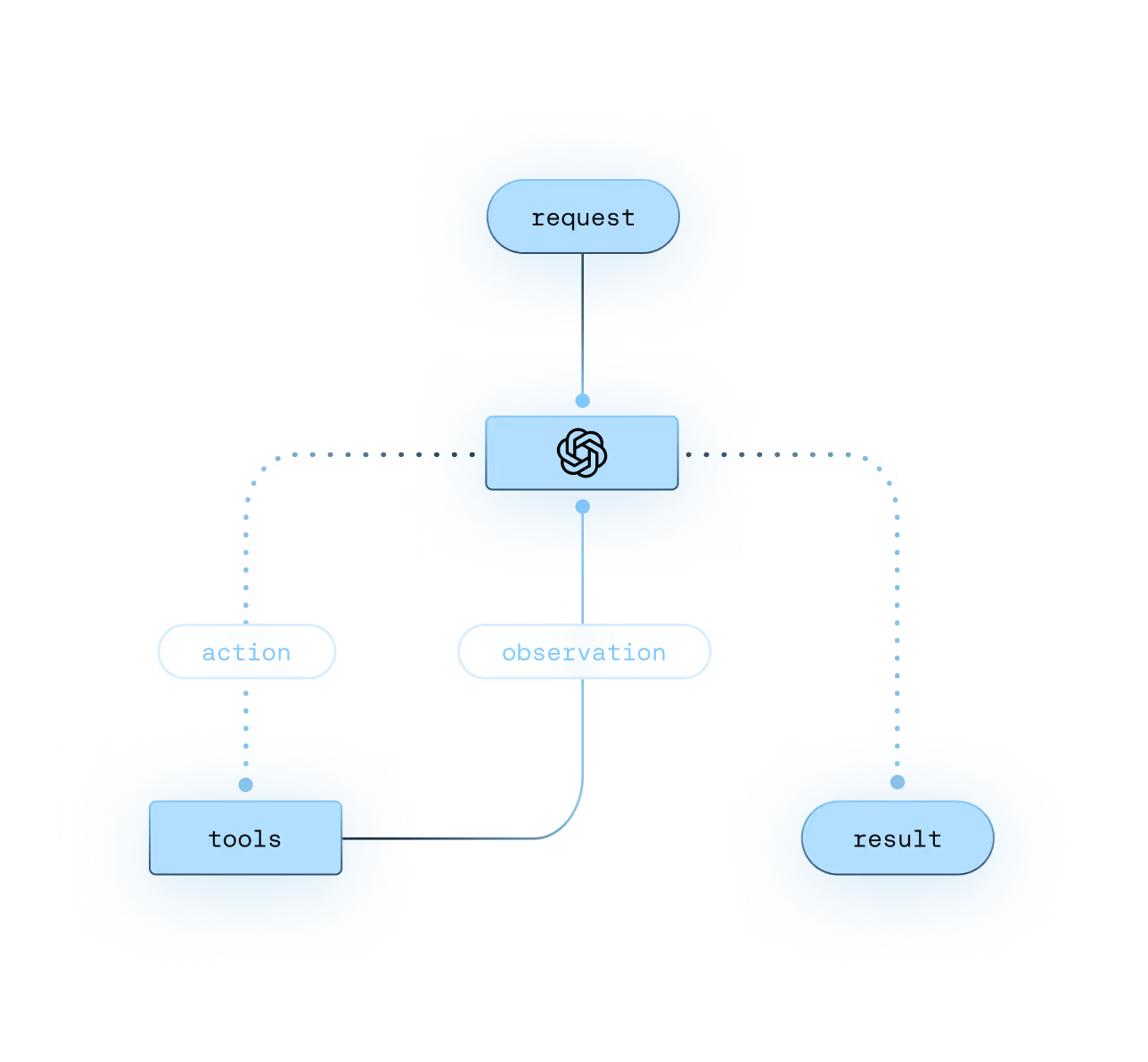
Quick-start agents with any model provider.
Your problem is well-defined and single-purpose — digitize and search documents, answer questions over your data, summarize, or a focused assistant. The fastest path from idea to a working, model-agnostic agent.
 Prebuilt agent patterns
 Open & neutral — swap any model
 Durable runtime
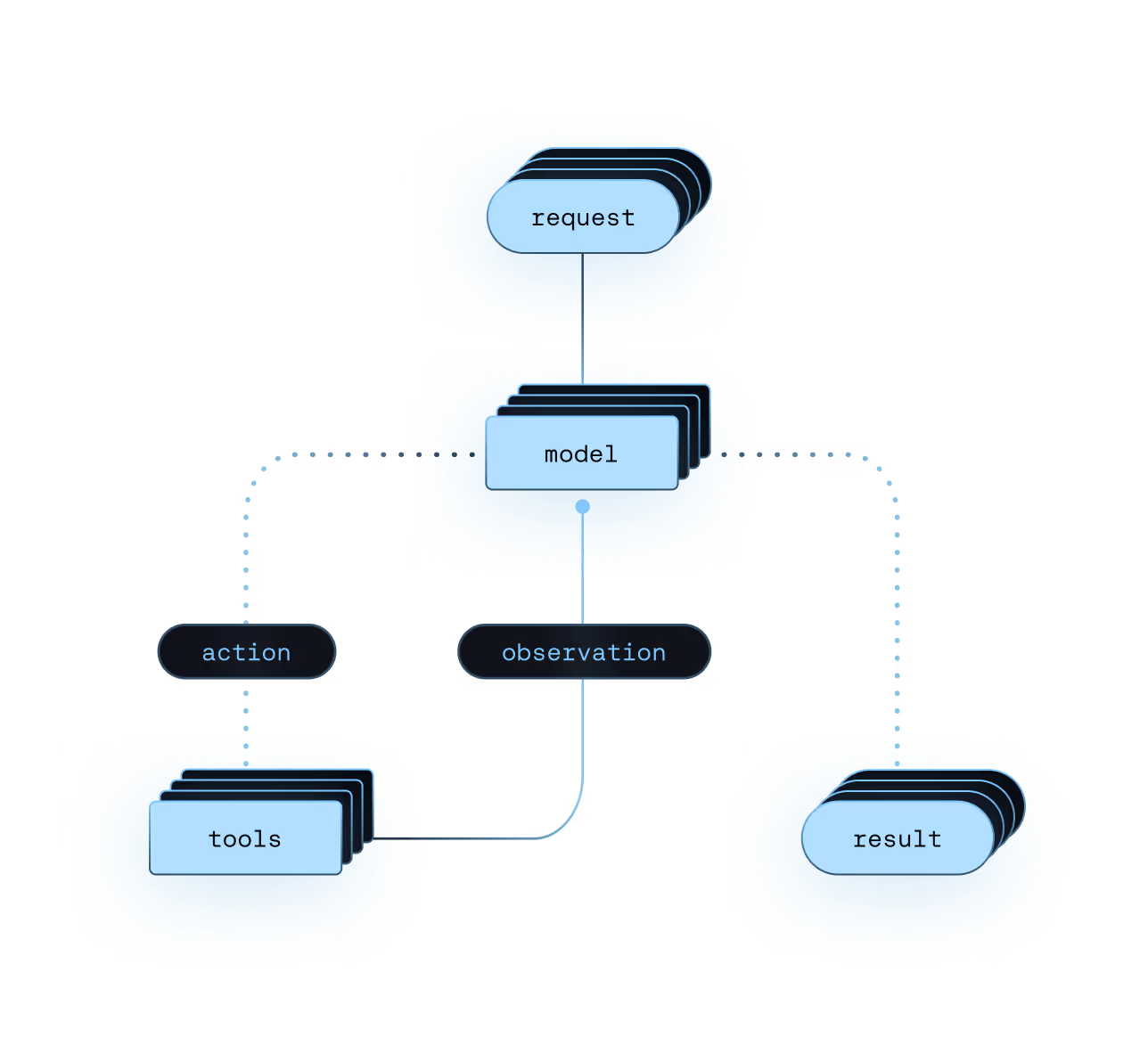
Build reliable, multi-agent systems with low-level control.
The work has multiple steps, branching decisions, or several specialized agents that must coordinate — and it has to behave the same way every time. Stateful graphs give you determinism, checkpoints, and human-in-the-loop approval.
 Low-level orchestration
 Control meets agency
Observe, evaluate, and ship agents with confidence.
You're moving from "it works on my machine" to production. LangSmith is where prototypes become dependable systems — see exactly what every agent did, score whether it's getting better, and deploy on infrastructure built for long-running agents. It works with any stack, not just LangChain.
See exactly what your agent is doing — a structured timeline of every step, with OpenTelemetry & SDKs for Python, TS, Go & Java.
Improve agents autonomously. Clusters production failures into prioritized issues, finds root cause in your traces & code, and proposes the fix.
Score and improve performance. Turn real usage into test cases with LLM-as-judge plus human review — each iteration measurably better.
Ship & scale in production. Memory, conversational threads, durable checkpointing, and native A2A & MCP support out of the box.
No-code agents for the whole company. Describe a task in plain language; Fleet acts across your daily tools and improves with feedback.


Long-running agents for open-ended, complex work.
The task can't be scripted — deep research, multi-hour investigations, planning that spawns its own sub-agents. Deep Agents adds planning, sub-agents, and durable memory for highly autonomous work.
 Built for autonomous agents
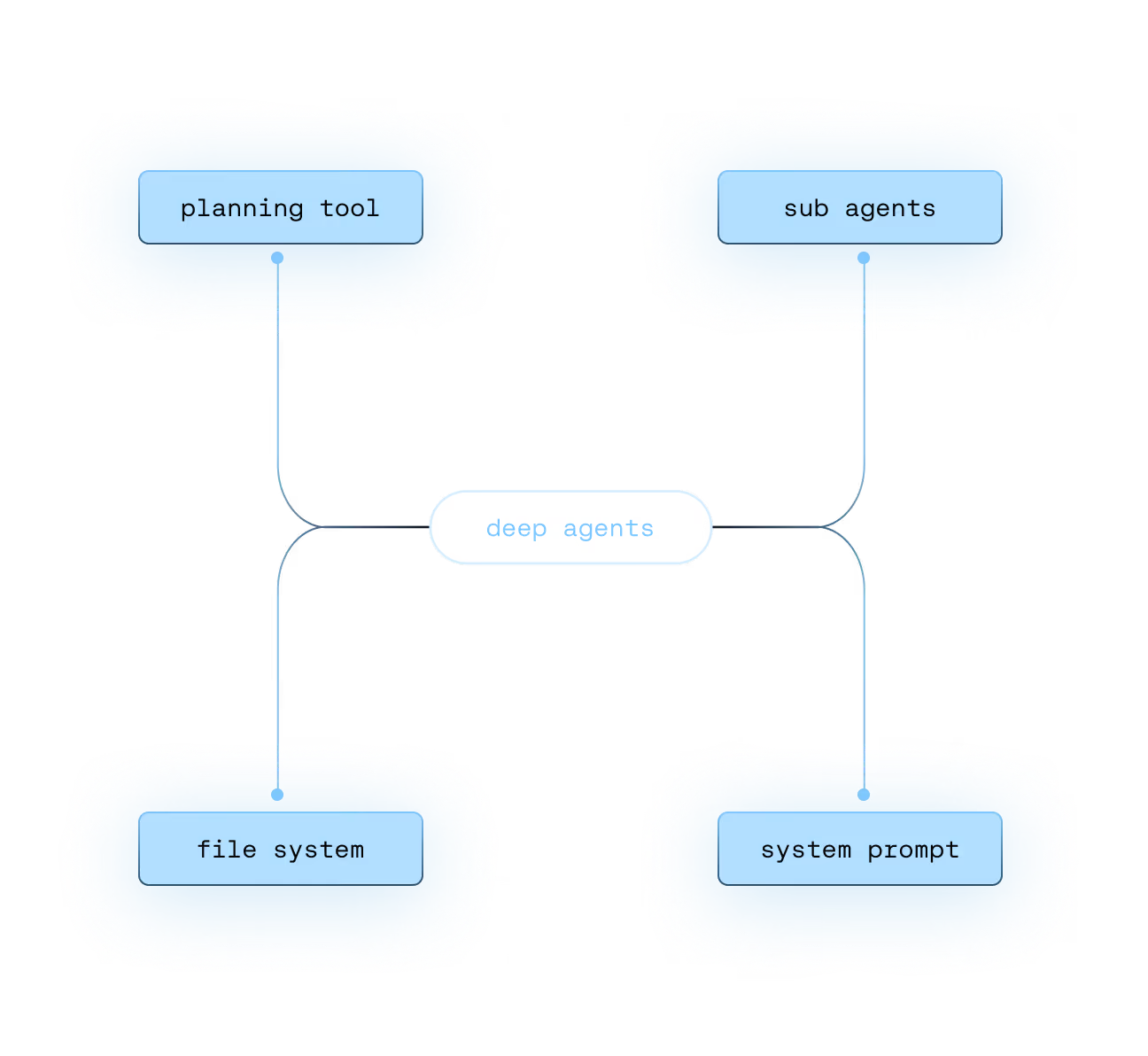 Planning & subagents
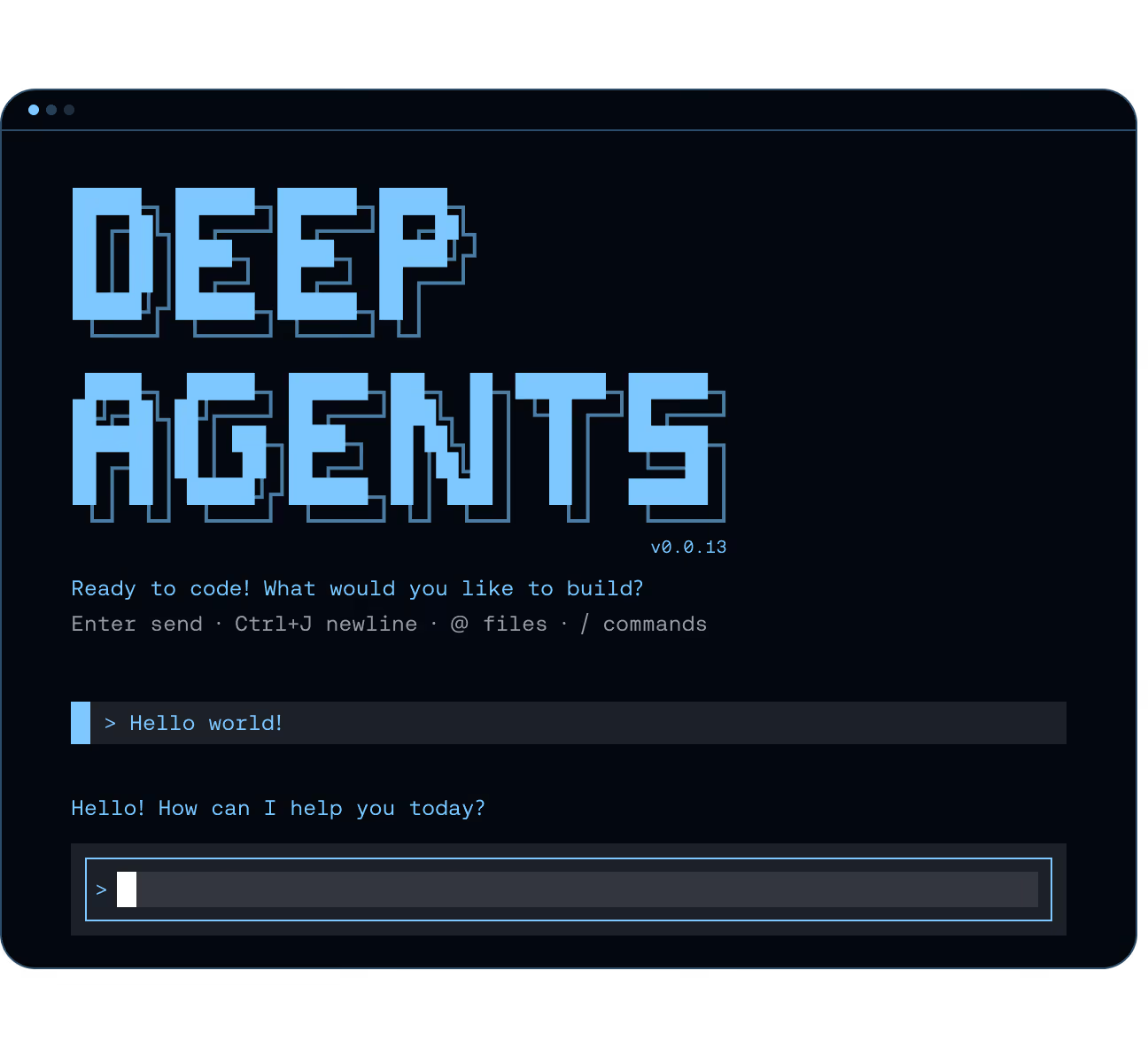 Deep Agents CLI
Run agent-generated code safely.
Your agents write and execute code, or use powerful tools you can't fully trust. Sandboxes give each run isolated, disposable compute so nothing touches production it shouldn't — safe execution at scale.
.avif) Run untrusted code safely
Run untrusted code safely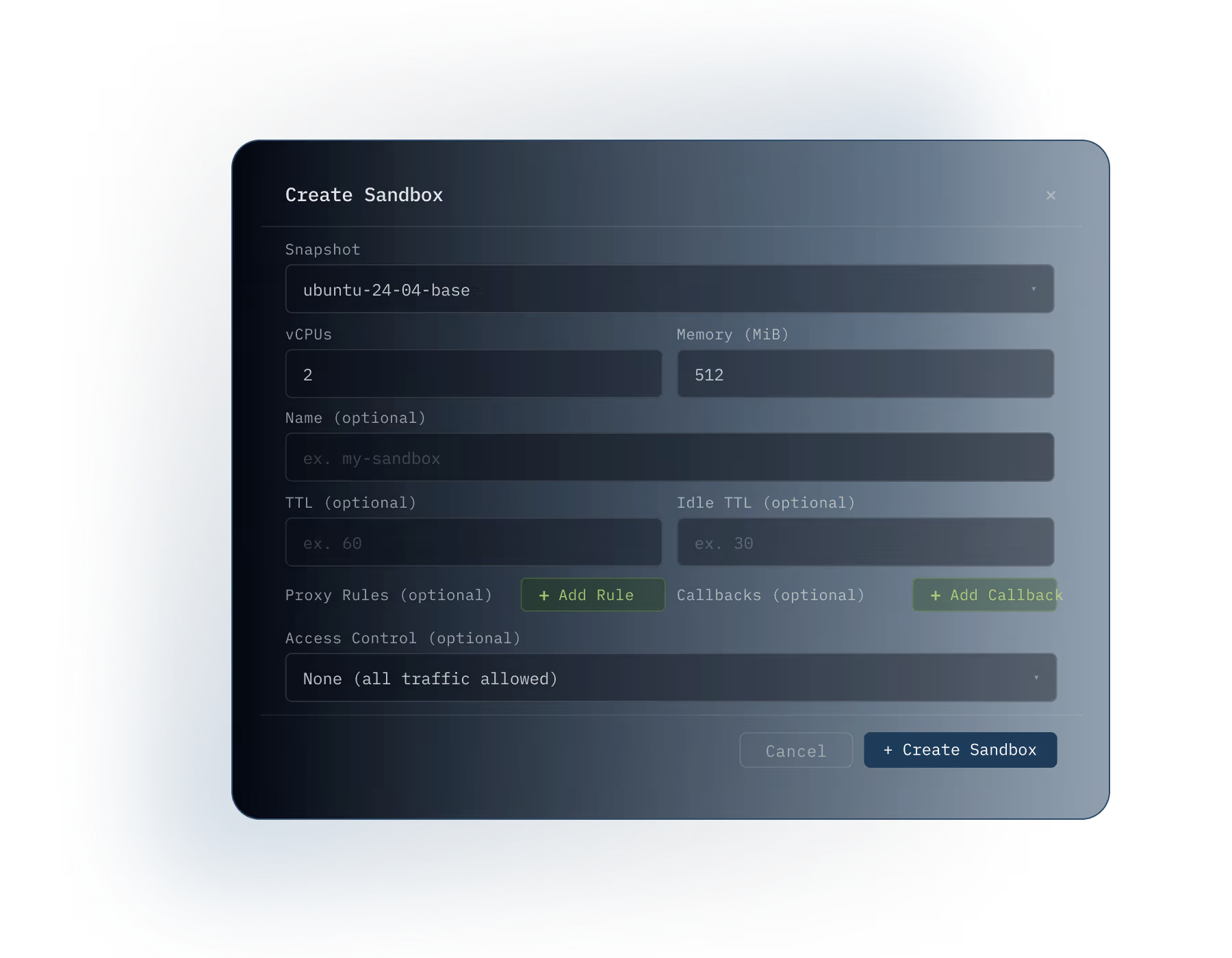 Sub-second microVM starts
.avif) Stateful, long-running work
Stateful, long-running workThat's the conversation. Tell me the problem and I'll map it to the exact layer of the stack that solves it — and show you a live demo of the ones I recommend.